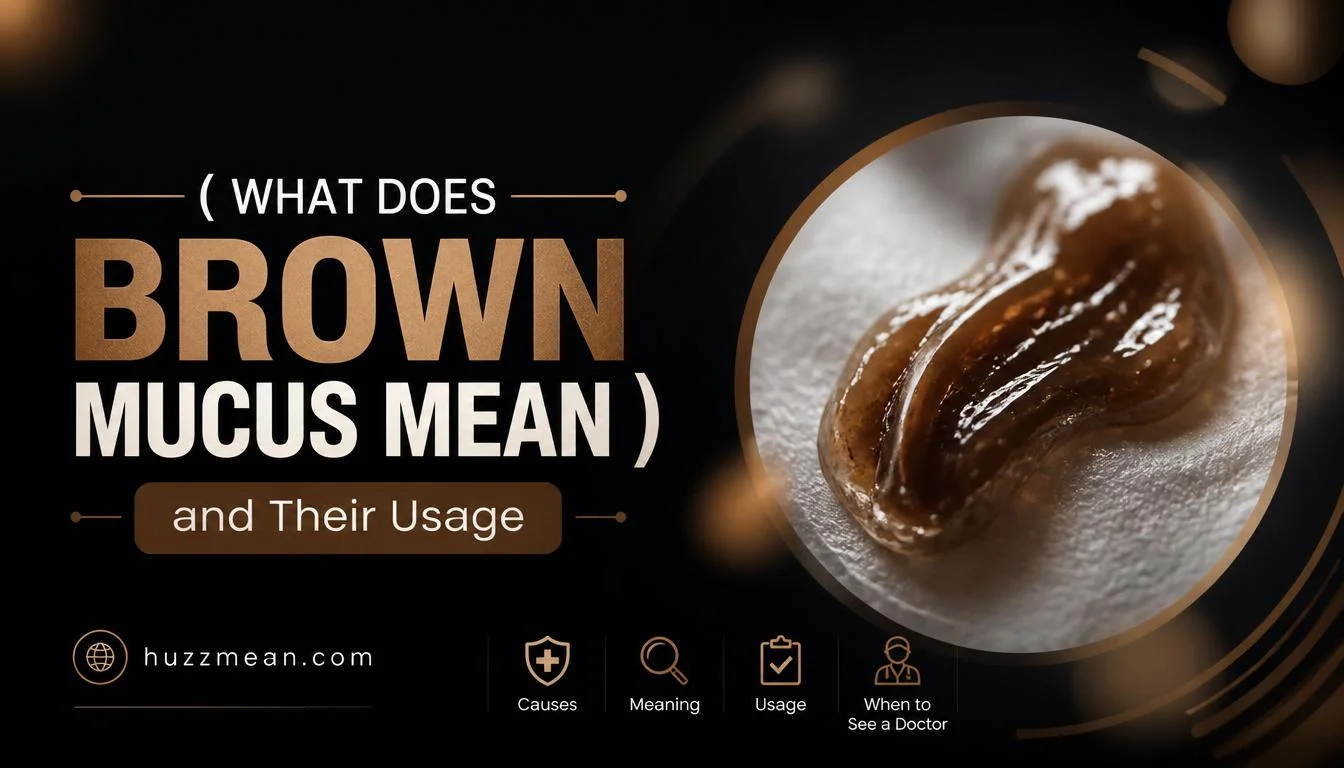
Brown mucus usually refers to mucus that appears brown in color, often because it contains old blood, dirt, smoke particles, or other substances. People sometimes discuss it on TikTok, Snapchat, Instagram, and in text messages when talking about health concerns or symptoms.
Many people search for this phrase after noticing brown mucus themselves or seeing someone mention it online. Others come across the term in social media videos discussing colds, allergies, sinus infections, or respiratory health.
Although brown mucus is primarily a medical term, it occasionally appears in everyday chats and online conversations. Understanding what it means can help you interpret discussions correctly and know when it might be important.
Brown Mucus Meaning in Text
When someone says “brown mucus” in a text message, they are usually talking about mucus that has a brown color.
Unlike abbreviations such as IDK or BRB, brown mucus is not slang, an acronym, or a texting shortcut. It is a health-related term.
In everyday chat, the phrase often comes up when someone is discussing symptoms, illness, allergies, a cold, or something unusual they noticed while coughing or blowing their nose.
For example:
- “I’ve been coughing up brown mucus all day.”
- “The brown mucus is finally going away.”
- “Should I be worried about brown mucus?”
In these examples, the person is describing a physical symptom rather than using internet slang.
Brown mucus can sometimes be linked to harmless causes such as breathing in dust, but it may also be associated with infections or irritation. Because of this, people often discuss it online when looking for advice or sharing experiences.
Where People Use Brown Mucus
Brown Mucus on TikTok
TikTok users frequently discuss health symptoms and personal experiences.
You may see videos such as:
- “Why am I coughing up brown mucus?”
- “My sinus infection caused brown mucus.”
- “Here’s what helped me feel better.”
Many creators share personal stories, while viewers often ask questions in the comments.
Brown Mucus on Snapchat
On Snapchat, people may mention the symptom while chatting privately with friends.
Examples include:
- “I’ve had brown mucus since yesterday.”
- “Do you think I should see a doctor?”
Brown Mucus on Instagram
Instagram users sometimes discuss symptoms in Stories, captions, or comment sections.
Examples:
- “Feeling sick today.”
- “Still dealing with brown mucus and congestion.”
Health-focused accounts may also post educational content about mucus colors and respiratory health.
Brown Mucus on WhatsApp
WhatsApp is commonly used for conversations between family members and friends.
Examples:
- “I’ve noticed brown mucus this morning.”
- “Has anyone else experienced this?”
Brown Mucus in SMS Text Messages
Traditional text messages are another common place where the phrase appears.
Examples:
- “My cough is producing brown mucus.”
- “I’m feeling better, but the mucus is still brown.”
Real Chat Examples
Example 1
A: I’ve been coughing up brown mucus today.
B: That doesn’t sound fun.
A: Yeah, I’m keeping an eye on it.
Example 2
A: My cold seems worse.
B: What symptoms do you have?
A: Mostly congestion and brown mucus.
Example 3
A: Have you ever had brown mucus before?
B: Once during a bad sinus infection.
A: Good to know.
Example 4
A: I think the dust at work irritated my nose.
B: Why?
A: I’ve noticed brown mucus.
Example 5
A: How are you feeling today?
B: Better than yesterday.
A: Is the brown mucus gone?
Example 6
A: My doctor asked about my symptoms.
B: What did you tell them?
A: That I had brown mucus and a cough.
Example 7
A: I watched a TikTok about mucus colors.
B: Really?
A: It mentioned brown mucus too.
Example 8
A: I think I’ll stay home today.
B: Still sick?
A: Yeah, unfortunately.
Example 9
A: Is brown mucus always serious?
B: Not necessarily.
A: That’s reassuring.
Example 10
A: My symptoms are finally improving.
B: That’s great.
A: The brown mucus is almost gone.
How to Reply When Someone Says “Brown Mucus”
Your response depends on the situation and your relationship with the person.
Funny Replies
- “Your body is writing mystery novels now.”
- “That definitely sounds like a weird plot twist.”
- “Your nose is being dramatic today.”
Use humor carefully, especially if the person is genuinely worried.
Casual Replies
- “Hope you feel better soon.”
- “That sounds uncomfortable.”
- “Keep monitoring it.”
Friendly Replies
- “Take care of yourself.”
- “Maybe get some rest and fluids.”
- “Hope it clears up quickly.”
Neutral Replies
- “Thanks for letting me know.”
- “I understand.”
- “That sounds like something worth checking.”
Is Brown Mucus Rude or Offensive?
No, brown mucus is not rude or offensive.
It is simply a health-related phrase used to describe a symptom.
However, some people may find discussions about bodily fluids unpleasant in certain situations.
The phrase is generally acceptable when:
- Discussing health concerns
- Talking with friends or family
- Seeking medical advice
- Sharing experiences online
In professional settings or formal conversations, it may be best to mention it only when relevant.
Who Uses This Term?
Age Groups
People of all ages may use this term, including:
- Teenagers
- Adults
- Older adults
- Parents discussing children’s symptoms
Gen Z Usage
Gen Z often discusses health topics online and may mention brown mucus in videos, comments, or messages.
Common Platforms
The phrase appears on:
- TikTok
- Snapchat
- SMS messaging
How Often It Appears Online
Brown mucus is searched regularly because many people become concerned when they notice a change in mucus color.
Health-related discussions continue to make the term common across social media platforms.
Origin of the Term
The phrase “brown mucus” did not originate as internet slang.
Instead, it comes from medical and everyday language used to describe mucus that appears brown.
Healthcare professionals have long used mucus color as one factor when evaluating symptoms.
As health information became more common online, discussions about mucus colors spread through blogs, forums, YouTube videos, TikTok content, and social media posts.
The origin is clear and straightforward. It comes from medical observation rather than internet culture.
Unlike terms such as LOL or BRB, brown mucus was not created by online communities.
Comparison Table
| Term | Meaning | Type | Usage | Popularity |
|---|---|---|---|---|
| Brown Mucus | Brown-colored mucus often discussed as a symptom | Health term | Health conversations | Moderate |
| IDK | I Don’t Know | Acronym | Texting | Very High |
| IDC | I Don’t Care | Acronym | Casual chat | High |
| IMO | In My Opinion | Acronym | Sharing opinions | High |
| BRB | Be Right Back | Acronym | Online messaging | High |
Real-World Usage Example
Imagine someone has been dealing with a lingering cold for several days.
While messaging a friend, they say:
“I’ve started noticing brown mucus when I blow my nose.”
Their friend replies:
“You should keep an eye on it and talk to a healthcare professional if it doesn’t improve.”
This is a typical real-world example of how the phrase appears in everyday conversations.
Frequently Asked Questions
What does brown mucus mean in text messages?
It usually refers to mucus that appears brown in color and is being discussed as a health symptom.
What does brown mucus mean on TikTok?
On TikTok, people often use the phrase when sharing experiences, symptoms, or health-related information.
Is brown mucus slang?
No. It is a medical or descriptive term rather than slang.
Is brown mucus rude or offensive?
No. It is generally considered a neutral health-related phrase.
How should you reply to brown mucus?
You can respond supportively, such as “Hope you feel better soon” or “You may want to monitor that.”
Conclusion
Brown mucus is a health-related term used to describe mucus that appears brown in color. It is not slang, an acronym, or a social media abbreviation.
People commonly discuss it on TikTok, Instagram, Snapchat, WhatsApp, and in text messages when talking about symptoms, colds, allergies, or respiratory concerns.
The phrase is not rude or offensive, but because it relates to health and bodily functions, it may be best used in appropriate conversations. Understanding its meaning helps you interpret online discussions and everyday chats more accurately.
DISCOVER MORE ARTICLES
What Does the Name Tyler Mean? Origin & Meaning 2026